
Margaret-Gertraud Immunology Lectureship
Advancing immunology education & research
During the 2024 Augusta Gives philanthropy campaign, the Immunology Center of Georgia (IMMCG) established the Margaret-Gertraud Immunology Lectureship, funded by the center鈥檚 founding co-directors, Catherine 鈥淟ynn鈥� Hedrick, PhD, and Klaus Ley, MD. The lectureship, named in honor of their late mothers, aims to advance immunology education and research.
Dr. Hedrick and Dr. Ley have both experienced personal loss due to diseases that can be exacerbated by the immune system鈥檚 response. Dr. Hedrick鈥檚 mother, Margaret, passed away at 65 after battling type 1 diabetes, sparking Dr. Hedrick鈥檚 pursuit of medical research at a young age. Dr. Ley鈥檚 mother, Gertraud, passed away at the age of 53 from lung fibrosis, a devastating condition without a clear cause.
Jump to: Sharing their expertisePrevious Lectures Stories Support
Distinguished experts in immunology sharing their expertise
Dr. Hedrick and Dr. Lay designed the lectureship to attract distinguished speakers from around the world to share their expertise on the immune system鈥檚 role in illnesses such as cancer, diabetes and various autoimmune diseases.
While the target audience for the lectureship includes students, faculty, and other professionals in the field of immunology, it is also important to educate the public about immunology鈥檚 critical role in multiple diseases.
Previous Lectures
2026 Presenter 鈥� Akiko Iwasaki, PhD
Presentation Title 鈥� 鈥淪cience Behind Failure to Recover from Infections鈥�
About Dr. Iwasaki 鈥� Sterling Professor of Immunology and professor of dermatology; molecular, cellular and developmental biology, and epidemiology (microbial diseases) at the Yale University School of Medicine, Dr. Iwasaki is a member of the National Academy of Sciences and was recognized as one of TIME Magazine鈥檚 100 Most Influential People in Global Health.
Dr. Iwasaki is the director of the Center for Infection and Immunity and is at the forefront of several long COVID investigations, including the Mount-Sinai Yale Long COVID study, Yale LISTEN study and Yale Paxlovid trial. She has been a leading scientific voice during the COVID-19 pandemic.
She is also well known for her social media advocacy on women and underrepresented minorities in the science and medicine fields.

Her research focuses on the mechanisms of immune defense against viruses at mucosal surfaces, which are a major site of entry for infectious agents. She has more than 350 publications to her name, has been listed as a co-author on 228 works and her work has been cited over 61,000 times.
In the Iwasaki Laboratory, her team focuses on understanding how viruses infect the host through the mucosal surfaces to cause diseases, how the immune system deals with viral infections within these local tissues, how acute infections lead to long-term diseases and how to use such insights to design vaccines and therapeutics against acute and chronic viral diseases, post-viral diseases, autoimmunity and cancer. Her team studies immune responses to a variety of viruses, including herpes simplex viruses, Zika virus, influenza viruses, rhinoviruses and retroviruses 鈥� with the most recent focus being on SARS-CoV-2. Her work has led to the development of mucosal vaccines that can prevent infection, transmission and recurrent diseases.
She has been a Howard Hughes Medical Institute Investigator since 2014. Iwasaki has received many awards and honors including the Keio Medical Science Prize in 2025, Forbes 50 over 50 Innovation 2024, TIME 100 Most Influential People 2024, TIME 100 HEALTH Most Influential People Affecting Global Health 2024 and the Else Kr枚ner Fresenius Prize for Medical Research 2023.
She was elected to the National Academy of Sciences in 2018, to the National Academy of Medicine in 2019, to the American Academy of Arts and Sciences in 2021 and was appointed President of American Associations of Immunologists in 2023. She was named to the 2023 STATUS list of the ultimate list of leaders in life sciences.


Jagwire Stories
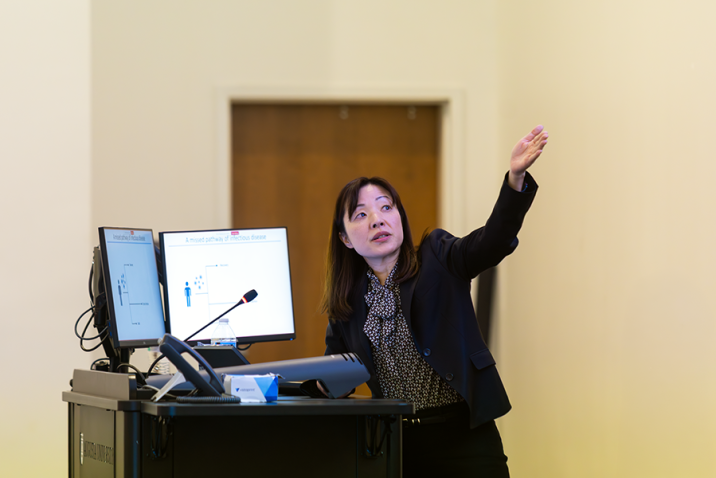
In Photos: IMMCG hosts world-renowned immunologist at inaugural lectureship
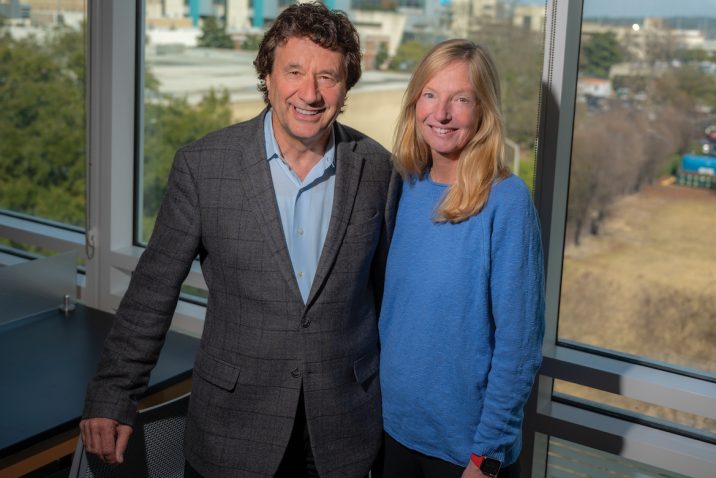
IMMCG to host Inaugural Margaret-Gertraud Immunology Lectureship
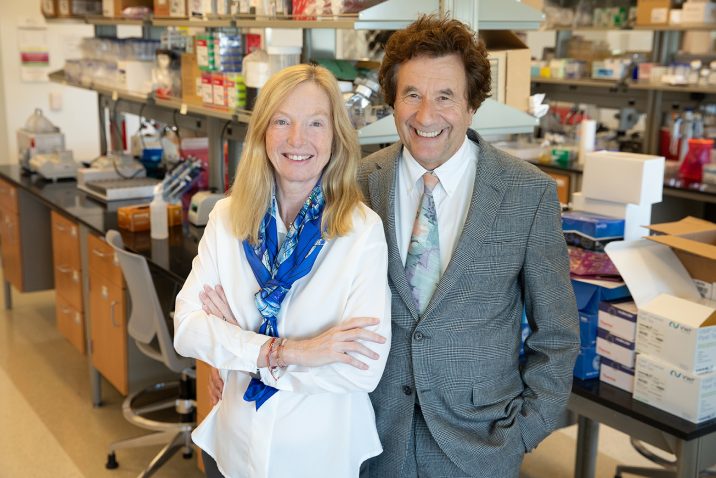
IMMCG endowed lectureship founded to advance research, education
More IMMCG Stories
Support Immunology Education & Research
IMMCG invites potential donors and collaborators to join us in advancing education and further research at IMMCG. Together, we ensure the future of immunology is bright and foster a culture of innovation.
IMMCG has two different funds. & .