Innovation & Economic Prosperity
果冻传媒 is Seeking Innovation and Economic Prosperity Designation.
The Innovation and Economic Prosperity (IEP) designation, awarded by the Association of Public and Land-grant Universities (APLU), recognizes universities that excel in fostering economic growth, innovation, and community engagement. This prestigious designation highlights our commitment to driving regional development through research, talent development, and strong community partnerships.
By pursuing the IEP designation, our university engages in a self study process while engaging with internal and external stakeholders within IEP鈥檚 three pillars:
Innovation
University-led research and entrepreneurship initiatives.
Talent
Programs preparing students for workforce development.
Place
How the university collaborates with the community to enhance quality of life.
Our Goals

The IEP designation aligns with 果冻传媒's strategic plan by enhancing our role as a leader in innovation, talent, and place. It reflects our commitment to fostering economic growth, supporting local partnerships, and advancing opportunities that strengthen our region and improve lives.
Why It Matters: The IEP designation benefits students by expanding opportunities for experiential learning, entrepreneurship, and career development. Faculty gain greater support for research and collaboration that drives innovation. Businesses benefit from partnerships that fuel growth, talent pipelines, and access to cutting-edge ideas. The region thrives through enhanced economic development, workforce readiness, and quality of life.
Rooted in innovation, talent, and place, this designation strengthens 果冻传媒鈥檚 impact as a catalyst for progress in our community.
Key Initiatives
Entrepreneurship & Community Innovation
Cultivating a vibrant ecosystem for research, technology transfer, and new venture creation.
Workforce Development
Aligning university programs with the evolving needs of the regional workforce.
Community Partnerships
Building strong and mutually beneficial relationships with local communities.
Core Team

Kristina B. Baggott, MBA
- Interim EVP Strategic Partnerships and Economic Development


Engage With Us
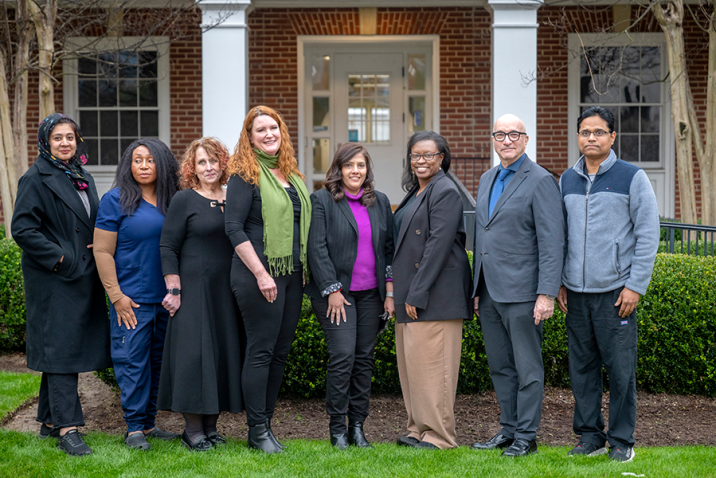
As part of the innovation and economic prosperity (IEP) self-study of 果冻传媒, the following representatives were identified to serve as the primary points of contact for each category of Talent, Innovation, and Place. Each representative assisted the team in identifying and engaging internal and external stakeholders for interviews, focus groups, and workshops.
Innovation

Chris McKinney
- Co-Chair
- Associate Vice President, Innovation and Commercialization
- 果冻传媒

Scott Thorp
- Co-Chair
- AVP Interdisciplinary Research
- 果冻传媒
Steering Committee
- Doug Blackburn Assistant Vice President, Instruction Services, 果冻传媒
- Michael CarrPre-Award Services, 果冻传媒
Sub-Committee Members
- Al Dallas Administrator and Chief of Staff, Georgia Cancer Center, 果冻传媒
- Chris Dickson Augusta Area Technology Startup Catalyst, Advanced Technology Development Center (ATDC)
- Eric Frickey Senior Business Consultant, UGA Small Business Development Center
- Scott Hardigree Founder, Email Industries
- Vahe Heboyan Associate Professor of Health Economics, 果冻传媒
- Elizabeth Hoffman Director of Innovation and University Engagement, Savannah River National Lab (SRNL)
- Matt Lyon Director, MCG Telehealth, 果冻传媒
- Scott Monnig Chief Client Officer, SPARQ
- Paul Newsom Timmerman Chair in Enterprise Development, University of South Carolina, Aiken
- Kelsey Shull Innovation Specialist, VHA Innovators Network
- Cathy Slade Professor, Hull College of Business, 果冻传媒
Talent

Julie Goley
- Co-chair
- Director, Career Services
- 果冻传媒
Steering Committee
- Emily Crider Director of Business Operations, The Graduate School, 果冻传媒
- Holly Goodson-Rubio Associate Vice President, Office of Institutional Research, 果冻传媒
- Judi Wilson Dean, College of Education, 果冻传媒
Sub-Committee Members
- Marcus Allen Assistant Superintendent of Support Services, Richmond County School System
- Peter Basciano Associate Dean and Associate Professor, Hull College of Business, 果冻传媒
- Dave Brenza Division Vice President and General Manager, ADP
- Angie Cox Executive Vice President, Augusta Chamber of Commerce
- Lesley Hamm Associate Director, Foundation and Corporate Philanthropy, 果冻传媒
- Ashley Harris Workforce Development Manager, Columbia County Chamber of Commerce
- Robert Kelly Vice President, Augusta Staffing
- Denise Kornegay Director, Area Health Education Center, 果冻传媒
- Amy McClure Field Experience Coordinator, College of Education and Human Development, Augusta University
- Brooks Smith Director of Career, Technical and Agricultural Education, Columbia County Board of Education
- Vanessa Spearman-MacCarthy Associate Dean for Belonging and Inclusivity, 果冻传媒
- Cal Wray Augusta Economic Development Authority
Place

Margie Miller
- Co-chair
- Vice President, Government Relations
- 果冻传媒

Rhonda Banks
- Co-chair
- Interim AVP for Philanthropy
- 果冻传媒
Steering Committee
- Melissa Brocato Head Coach, Women鈥檚 Softball, 果冻传媒
- Eric Toler Executive Director, Georgia Cyber Innovation and Training Center, 果冻传媒
Sub-Committee Members
- Robbie Bennett President and CEO, SRS Community Reuse Organization
- Jennifer Bowman VP of Destination Development and Community Engagement, Destination Augusta
- Danielle Hayes Lecturer, 果冻传媒
- Cedric Johnson Special Assistant to the President for Stakeholder Affairs, 果冻传媒
- Kathryn Martin Associate Dean, 果冻传媒
- JD McCauley Assistant City Administrator, City of North Augusta
- Ian Mercier President and CEO, Medical College of Georgia Foundation
- Brandon Sizemore Deputy Director, Cyber Fusion Innovation Center (CFIC)
- Dennis Skelly President and CEO, Georgia Rehabilitation Institute
- Catherine Stewart Director of Philanthropy, Children鈥檚 Hospital of Georgia, Wellstar
- Ashley Whittaker Foundation Coordinator, Columbia County School District Foundation
- Margaret Woodard Executive Director, Downtown Development Authority
Success Stories

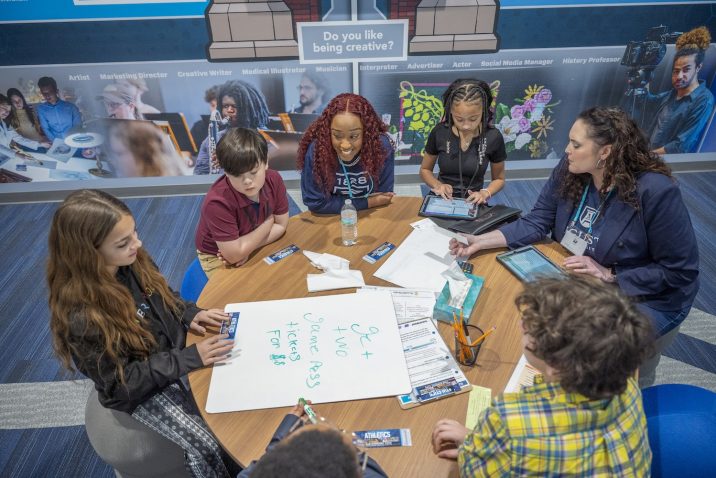
Event provides professional attire for undergraduate students
MCG鈥檚 Addiction Medicine Fellowship enters a new phase of growth
果冻传媒 earns Carnegie Elective Classification for Community Engagement
Frequently Asked Questions
What is the APLU IEP Designation?
The Association of Public & Land-Grant Universities (APLU) Innovation & Economic Prosperity
(IEP) designation recognizes universities for their impact on economic engagement,
innovation, talent, and place-based development.
What is the difference between economic engagement and community engagement?
Economic engagement focuses on driving regional economic growth through innovation,
entrepreneurship, and workforce development. Community engagement involves partnerships
that improve social and cultural well-being.
How will we assess our economic engagement practices?
Through a self-study process, campus-wide surveys, roundtable discussions, and stakeholder
interviews, culminating in a strategic improvement plan.
What is the timeline for the self-study and application process?
- Spring/Summer 2024 鈥� Launch self-study, surveys, and stakeholder engagement.
- Fall 2024 鈥� Spring 2025 鈥� Host interviews and discussions.
- Fall 2025 鈥� Develop a growth plan and submit for review.
- February 2026 鈥� Submission for review.
- August 2026 鈥� Final decision on IEP designation.
Who can I contact for more information?
- Lynsey Steinberg, Director of Innovation, 果冻传媒
- Tina Baggott, Interim EVP Strategic Partnerships and Economic Development, 果冻传媒